Sleep Apnea & Snoring
Why Am I Still Tired After 8 Hours of Sleep?
Published 7 min read
Why You're Tired After 8 Hours of Sleep
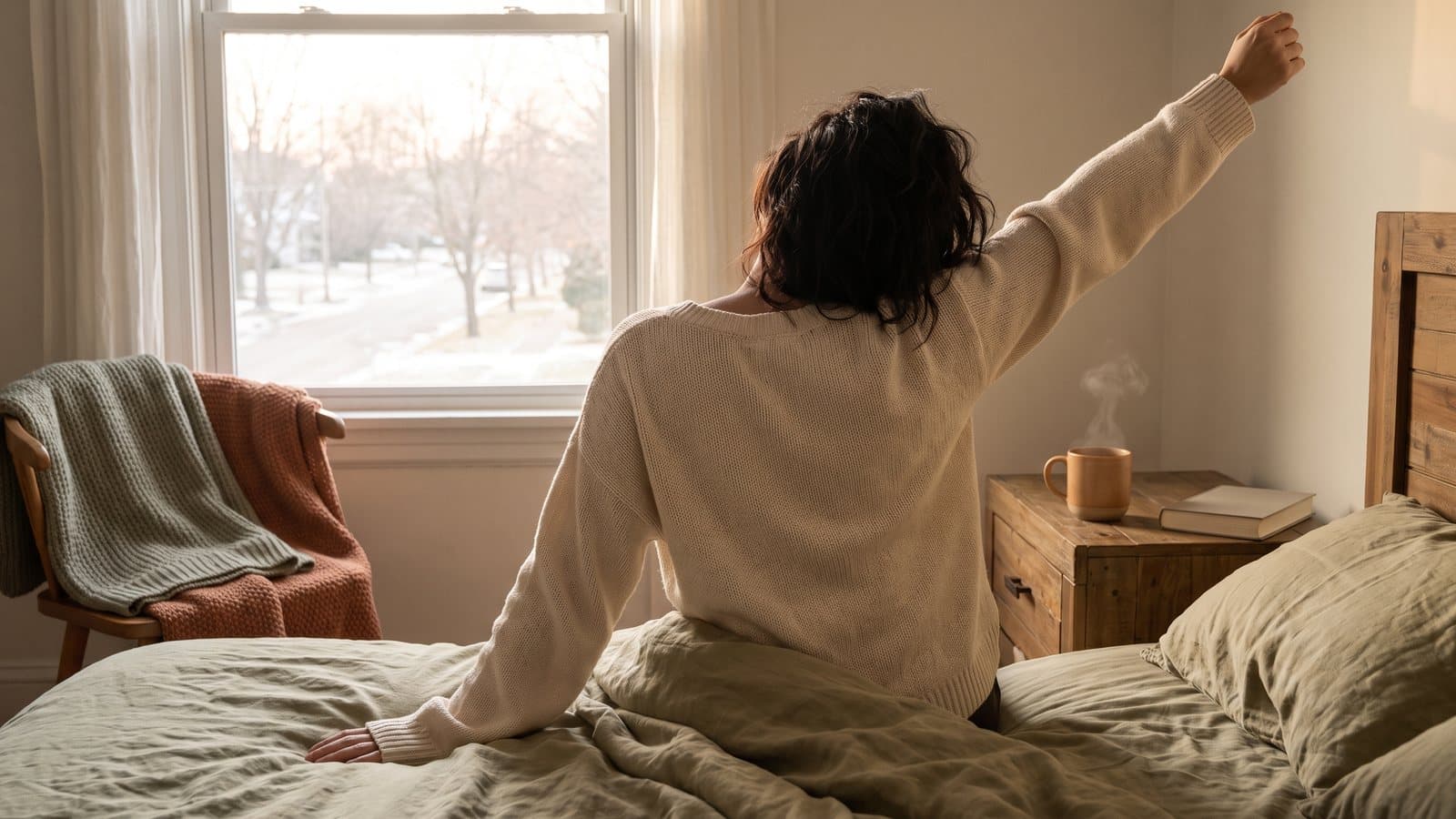
The new year usually comes with a sleep resolution: lights out earlier, a full eight hours logged on your phone or watch, maybe a new pillow. So when you are still tired after 8 hours of sleep, groggy the moment the alarm goes off and reaching for coffee before your feet hit the floor, it is confusing. You did the math. The hours were there.
Feeling tired after a full night in bed is one of the most common complaints sleep specialists hear, and it is rarely a discipline problem. It usually means something interrupted your sleep without waking you up enough to remember it, so the hours you logged were not the restorative kind your body needed.
At Austin Sleep & Airway Health, we look at what happens to your breathing and your airway overnight, not just how many hours you spent in bed. This piece covers why sleep quantity and sleep quality are different things, what tends to interrupt sleep quietly, what to track before your next checkup, and when a closer look is worth it.
Sleep Quantity Isn't the Same as Sleep Quality
Eight hours is a useful target, but it is a measure of time, not of rest. Your body moves through repeating cycles of lighter sleep, deep slow wave sleep, and REM sleep each night, and the deep and REM stages are the ones most linked to feeling clear headed and rested the next day.
If something shortens or interrupts those stages, such as brief arousals you never fully wake up from, you can spend a full eight hours in bed and still miss out on the part of sleep that actually restores you. Sleep researchers describe this as non-restorative or unrefreshing sleep: you slept the hours, but your body and brain did not get the deeper stages they needed.
This is why two people can both report eight hours and feel completely different in the morning.
Could Snoring or a Breathing Pause Be Part of the Picture?
For a meaningful share of adults, the interruption is breathing related. MedlinePlus describes obstructive sleep apnea as repeated narrowing or blocking of the airway during sleep, sometimes dozens of times an hour, each one followed by a snort, gasp, or brief awakening most people never remember.
The National Heart, Lung, and Blood Institute lists daytime sleepiness and tiredness among the most common symptoms of sleep apnea, alongside loud snoring, witnessed breathing pauses, morning dry mouth, and headaches. Because the awakenings that follow each pause are so short, many people genuinely believe they slept soundly the whole night.
Loud snoring or a partner mentioning breathing pauses does not confirm sleep apnea on its own, and plenty of people snore without it. Our post on the difference between snoring and sleep apnea walks through how the two overlap and where they diverge. A physician is the only one who can diagnose sleep apnea, and only through a sleep study.
Other Everyday Reasons You Might Still Feel Tired
Airway issues are one piece of a larger picture, and it is worth naming the others so you are not chasing the wrong explanation. Going to bed and waking up at different times through the week can throw off your internal clock even if the total hours add up. Alcohol in the evening and caffeine later in the day can both fragment sleep without you noticing.
Stress, screen use right before bed, and an alarm that happens to go off during a deep sleep stage can all leave you groggy the next morning. Health conditions such as thyroid changes, low iron, or mood changes can also play a role, and those are worth bringing to your primary care doctor rather than guessing at the cause on your own.
If you have already tightened up your sleep schedule and evening habits and you are still tired after 8 hours of sleep most nights, that pattern points more toward something happening during sleep itself, which is where an airway focused look can help.
What You Can Do Now: What to Track
Before your next appointment, a week or two of simple notes can turn a vague sense of tiredness into something specific to discuss. Write down your bedtime and wake time each day, along with how rested you feel on a simple scale from one to five.
Note anything a partner mentions, snoring, silence followed by a gasp, restless movement, or you stopping breathing for a moment. Record mornings with a dry mouth, a headache, or a sore jaw, and afternoons where you doze off unintentionally while reading or watching television.
This kind of log does not diagnose anything, but it gives your doctor, or Dr. Culotta during an airway evaluation, real patterns to work from instead of a general sense that you are tired.
When It's Worth a Sleep Evaluation
Occasional grogginess after a late night is normal. A closer look becomes worth scheduling when tiredness after a full night's sleep is a regular pattern, especially alongside loud or irregular snoring, a partner noticing pauses in your breathing, recurring morning headaches, or a dry mouth most days.
It is also worth a conversation if you are falling asleep in situations that call for alertness, like driving or a meeting, despite reporting a full night in bed. None of these signs confirms sleep apnea by itself, but each is worth mentioning to your physician, who can decide whether a sleep study makes sense.
Awareness is often the hardest part, since the interruptions that cause daytime fatigue usually happen while you are asleep and cannot see them yourself. As Dr. Culotta puts it, "Positive change is possible at any age. Awareness is the first step."
How Austin Sleep & Airway Health Helps With Tiredness After a Full Night's Sleep
Our airway focused exam looks beyond hours slept. Dr. Kacie Culotta, DMD, evaluates tongue mobility and resting posture, oral ties, palate width, bite, jaw joints, tonsil size, whether you tend to breathe through your nose or mouth, and signs of clenching or grinding, alongside a detailed sleep and health history.
We also offer in-house 3D CBCT airway imaging, an awake, upright scan that lets Dr. Culotta review airway shape, volume, and structures such as the tonsils, adenoids, and jaw position. It is not a sleep study and does not diagnose sleep apnea, but it adds detail that a conversation alone cannot.
When the picture points toward sleep apnea, we help coordinate testing with your sleep physician, who makes the diagnosis. If oral appliance therapy fits your situation, our guide to how oral appliance therapy works explains the custom device, fitting, and follow up sleep test we use to confirm it is working alongside your physician. It is one option alongside CPAP, an effective, well established first line treatment, and some people use both. Our sleep appliance therapy page walks through what that process looks like, and we also collaborate with ENTs, sleep physicians, and the independent myofunctional therapists in our on-site Myofunctional Collaborative Space.
Frequently Asked Questions
Why do I still feel tired after sleeping a full 8 hours?
Feeling tired after 8 hours of sleep usually means something is interrupting the deeper, more restorative stages of your sleep, even if the total time in bed looks fine. Causes range from an inconsistent sleep schedule and evening habits to breathing related interruptions that most people never remember happening.
Can you have sleep apnea even if you get 8 hours of sleep?
Yes, you can spend a full 8 hours in bed and still have sleep apnea, because the condition is about repeated breathing interruptions during sleep rather than total time asleep. Each interruption is usually followed by a very brief arousal that most people do not recall the next morning.
What is non-restorative sleep?
Non-restorative sleep describes a night where you slept enough hours but still wake up feeling unrefreshed, often because deep and REM sleep were cut short along the way. It is a pattern worth describing to your doctor rather than a diagnosis on its own.
How much deep sleep do I actually need each night?
Sleep researchers have not settled on one exact number, since it varies by age, activity level, and individual health, but deep sleep typically makes up a modest share of total sleep time each night. What matters most for how you feel is whether that deep sleep is interrupted, not just how many hours you spend in bed overall.
What if I've already improved my sleep habits and I'm still exhausted?
If a consistent bedtime, less evening caffeine and alcohol, and a calmer wind down have not changed how tired you feel, that pattern points more toward something happening during sleep itself. That is a reasonable time to bring a symptom log to your physician or ask about an airway focused evaluation.
Where can I get evaluated for daytime tiredness and sleep apnea in Austin?
Austin Sleep & Airway Health, at 1701 Simond Ave, Suite 107A in the Mueller area, offers airway focused evaluations and coordinates sleep testing with your physician. Call (512) 900-9715 or email hello@austinsleephealth.com; we are open Monday, Tuesday, Thursday, and Friday.
A Calm Next Step for the New Year
If tiredness after a full night's sleep has followed you into the new year, our adult sleep and airway screening is a simple, educational place to start, and your answers can help you decide whether to talk with your doctor about a sleep study or schedule an airway evaluation with Dr. Culotta.
By Austin Sleep & Airway Health
This article is for general education. It is not a diagnosis and does not replace an evaluation with a qualified provider.
Wondering whether a sleep evaluation is right for you?
Take our quick, educational adult sleep screening to better understand your risk factors and what to bring to a visit.
Keep Reading
Related articles

Sleep Apnea & Snoring
Acid Reflux at Night and Sleep Apnea: How They Connect
Acid reflux and sleep apnea often overlap at night. Here is what research says about the connection, what to notice, and when to get it checked.
Read more7 min read
Sleep Apnea & Snoring
Waking Up to Pee at Night: A Sleep Apnea Connection?
Waking up to pee at night more than once? It could be summer hydration, or your airway. Here is what is normal and worth mentioning at a visit.
Read more7 min read
Sleep Apnea & Snoring
Waking Up With a Headache? What It Could Mean
Waking up with a headache in Austin's summer heat? See how dehydration, jaw clenching, and sleep apnea can each play a role, and what to track.
Read more7 min read