Evaluation & Treatment
Laser Snoring Treatment: What Soft Palate Tightening Involves
Published 7 min read
When Summer Guests Hear What Your Partner Already Knew
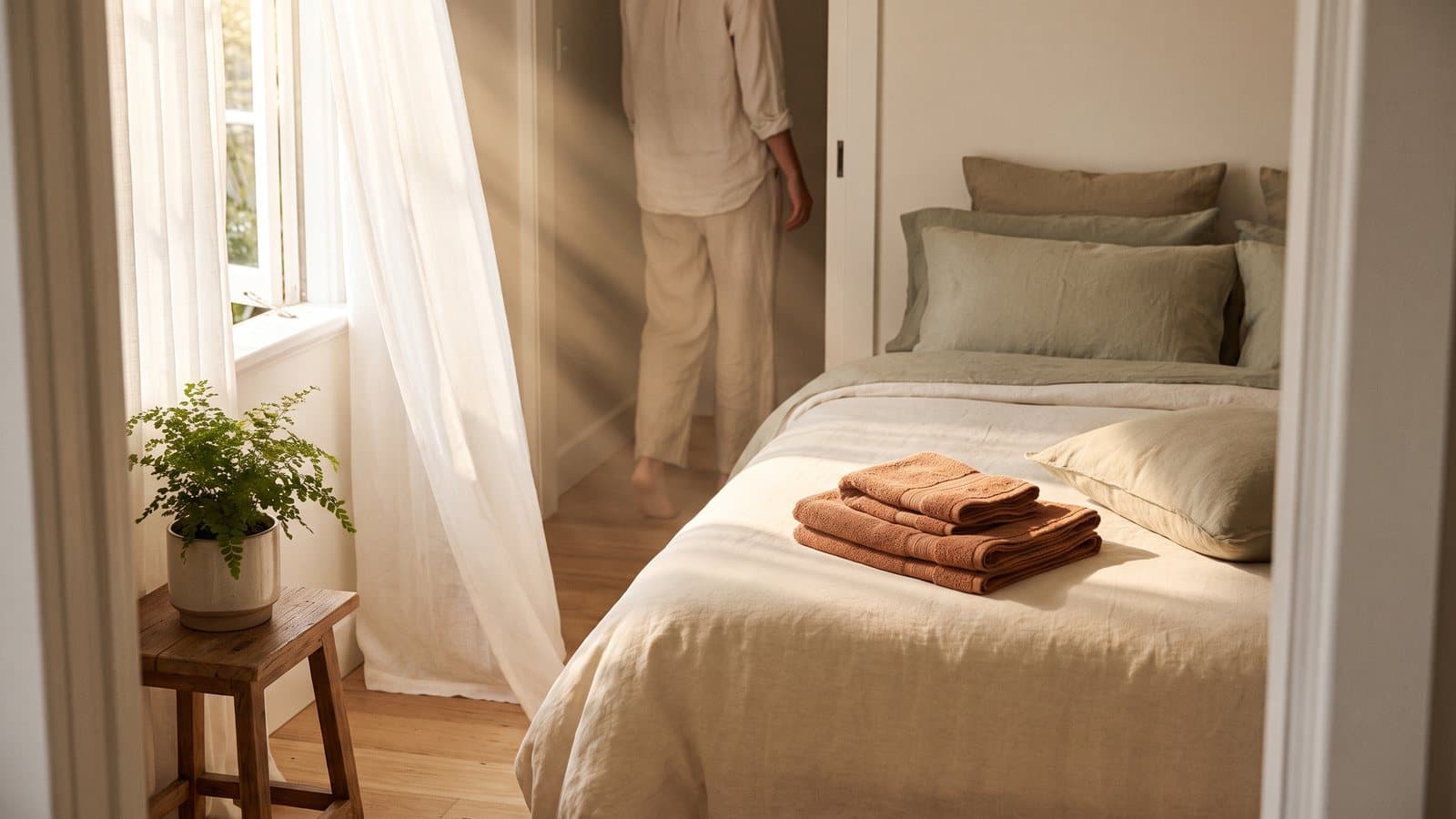
Open windows, a house full of visiting family, a shared bunk room at the lake house: summer has a way of putting snoring on display in a way winter never does. Someone mentions it at breakfast, half joking, and it is not really news to your partner, who has known for years.
If you have looked into a laser snoring treatment because you want something with little to no downtime before the season winds down, you are not alone. Laser soft palate tightening is one option people ask about, especially when they are not ready for a bulkier device or a long recovery.
At Austin Sleep & Airway Health, we get this question often enough that it is worth laying out plainly: what laser soft palate tightening involves, what it can reasonably be expected to do, and where it fits, and does not fit, alongside a real sleep apnea diagnosis.
What Is Laser Snoring Treatment, and How Does It Target the Soft Palate?
Snoring starts in the same place for most people: soft tissue at the back of the throat, especially the soft palate and the area around the uvula, relaxes during sleep and vibrates as air moves past it. The looser the tissue, the louder the sound tends to be.
Laser soft palate tightening, sometimes marketed as a laser snoring treatment, applies controlled heat to that tissue in the office, without cutting or removing anything. The goal is to encourage the tissue's own collagen to firm up over time, so it vibrates less against passing air. Most people do not need anesthesia and return to normal activities the same day, part of why it appeals to people who want a low downtime option.
This differs from older surgical laser procedures that trim or remove palate or uvula tissue, which involve real recovery time. Laser soft palate tightening, the kind we perform, is non-surgical.
Does Laser Treatment for Snoring Work, and How Does It Compare to an Oral Appliance?
Research on non-surgical laser treatment of the soft palate is still developing, but it is more encouraging than research on older surgical laser procedures. A randomized, sham-controlled trial in a peer-reviewed laser medicine journal found real soft palate laser treatment led to meaningfully quieter snoring than an inactive version, with side effects that were mild and temporary. That is a stronger design than most snoring research uses, though the study was small and short, so it is not the final word.
Older surgical laser procedures that remove palate or uvula tissue have a longer, more mixed track record: some patients report short term relief, but several studies found it faded over time, and the American Academy of Sleep Medicine's practice parameters do not recommend that surgical approach for obstructive sleep apnea.
An oral appliance works differently: it holds the lower jaw slightly forward rather than tightening palate tissue, and it is built and adjusted to your bite. For diagnosed sleep apnea, an oral appliance is a recognized option alongside CPAP. Laser soft palate tightening targets the tissue vibration behind snoring, not diagnosed sleep apnea on its own.
Why Laser Treatment Isn't a Substitute for a Sleep Apnea Diagnosis
This part is worth saying plainly. Snoring and obstructive sleep apnea are related, but not the same thing, and quieting the sound of snoring is not the same as treating a diagnosed breathing disorder. Only a physician diagnoses sleep apnea, through a home sleep test or an in-lab sleep study, never through a laser consultation alone.
Snoring is often the first sign a partner notices, and ENT organizations caution that heavy snorers should check with a physician to rule out sleep apnea before treating the snoring itself. If a laser treatment quiets the sound without addressing an underlying breathing issue, that issue can become harder to notice, not easier.
At Austin Sleep & Airway Health, laser soft palate tightening is offered for snoring, and candidacy is decided at a consultation, after an airway exam and a conversation about your sleep history. If anything in your history suggests sleep apnea could be part of the picture, we coordinate testing with your physician first. Laser treatment is not offered as a stand-alone treatment for diagnosed sleep apnea, unless your physician agrees it fits alongside your broader care plan.
What to Track Before a Laser Snoring Treatment Consultation
You do not need a sleep study to start paying attention. For a week or two, note how many nights snoring happens, how loud a partner says it is, whether it changes with sleep position, alcohol, or a stuffy nose, and whether a dry mouth or sore throat shows up by morning. Ask your physician or allergist about options if congestion seems to be part of the pattern.
Bring that log to your consultation. A few nights of detail helps Dr. Culotta see whether your snoring looks like a straightforward candidate for soft palate tightening, or whether ruling out sleep apnea first makes sense.
When It's Worth a Soft Palate Evaluation
A few signs point toward scheduling a visit rather than waiting through another season. If snoring is loud enough to wake a partner, continues despite side sleeping or a clear nose, or you are simply curious whether laser soft palate tightening fits your situation, that is worth a look.
Pay closer attention if a partner mentions pauses in breathing, gasping, or choking, or daytime fatigue that does not match how much sleep you are getting. Those details are worth mentioning to your physician, since they point toward the kind of evaluation a sleep study, not a laser consultation, is built to answer.
You do not need certainty about the cause before scheduling. An airway evaluation is a reasonable next step even if you are only trying to understand your options.
How Austin Sleep & Airway Health Helps With Laser Snoring Treatment
Austin Sleep & Airway Health, in the Mueller area of Austin, is the dental sleep and airway practice of Dr. Kacie Culotta, DMD, a Diplomate of the American Board of Dental Sleep Medicine and a laser-certified dentist. Patients often ask specifically about laser snoring treatment because they want a low downtime option.
We start with an airway-focused exam: tongue mobility and posture, palate width, bite, jaw joints, tonsil size, and whether you breathe through your nose or mouth at night. When useful, in-house CBCT airway imaging adds a closer look at airway structure. Candidacy is decided at that consultation, never assumed in advance. If your history suggests sleep apnea could be part of the picture, we coordinate testing with your physician first and present laser treatment as one option among several, never as a replacement for a physician's diagnosis.
Dr. Culotta often says, "It's never too late to breathe, sleep, and feel better." For many people, that starts with an honest conversation about what a laser treatment can and cannot do for their particular airway.
Frequently Asked Questions
Does laser snoring treatment actually work?
Many people notice quieter, less frequent snoring after laser soft palate tightening, though results vary by person and by what is causing the snoring. A small controlled study found real treatment outperformed a sham version, but researchers note larger studies are still needed.
Is laser treatment for snoring the same as sleep apnea surgery?
No, laser soft palate tightening is a non-surgical, in-office procedure, while sleep apnea surgery is a separate, more involved category. It is not offered as a stand-alone treatment for diagnosed sleep apnea unless your physician agrees it fits your care plan.
Does laser snoring treatment hurt or require anesthesia?
Most people do not need anesthesia for laser soft palate tightening, and any discomfort tends to be mild, such as a temporary sore throat. Because it does not involve cutting or removing tissue, recovery is generally easier than older surgical approaches to snoring.
How is laser soft palate tightening different from an oral appliance?
Laser soft palate tightening firms the tissue that vibrates during snoring, while an oral appliance holds the lower jaw slightly forward to keep the airway more open. Both are options here, and Dr. Culotta may recommend one, the other, or a combination based on your airway exam.
Am I a good candidate for laser snoring treatment?
Candidacy for laser snoring treatment is something decided at a consultation, based on an airway exam and your sleep history, not something to determine on your own. Dr. Culotta looks at whether snoring appears related to soft palate tissue, rather than a structural issue like large tonsils.
Can laser treatment for snoring make sleep apnea harder to catch?
Yes, that is a real concern worth understanding, since quieting the sound of snoring does not address an underlying breathing problem if one exists. Health organizations caution that heavy snorers should check with a physician to rule out sleep apnea first, which is why we coordinate testing when relevant.
Where can I get laser snoring treatment in Austin?
Austin Sleep & Airway Health, in the Mueller area of Austin, offers laser soft palate tightening after an airway-focused consultation. Call (512) 900-9715 to schedule, or start with our laser soft palate tightening page.
Ready to Talk About Laser Snoring Treatment?
If summer has made snoring hard to ignore and you want a low downtime option to ask about, a consultation is a reasonable next step, not a commitment. Visit our laser soft palate tightening page to see how the process works, or call (512) 900-9715 to schedule with Austin Sleep & Airway Health.
By Austin Sleep & Airway Health
This article is for general education. It is not a diagnosis and does not replace an evaluation with a qualified provider.
A gentle, non-surgical option for snoring
Learn how laser soft palate tightening works and whether a consultation makes sense for you.
Keep Reading
Related articles

Evaluation & Treatment
Sleep Study Results Explained: AHI, Oxygen, and Next Steps
Your sleep study results are in. Here is what AHI, RDI, ODI, and your oxygen numbers actually mean, and what to ask your physician about next steps.
Read more7 min read
Evaluation & Treatment
Night Guard vs. Sleep Apnea Appliance: What's the Difference?
See how a standard night guard differs from a sleep apnea appliance, what the research really says, and when an evaluation helps you choose right.
Read more7 min read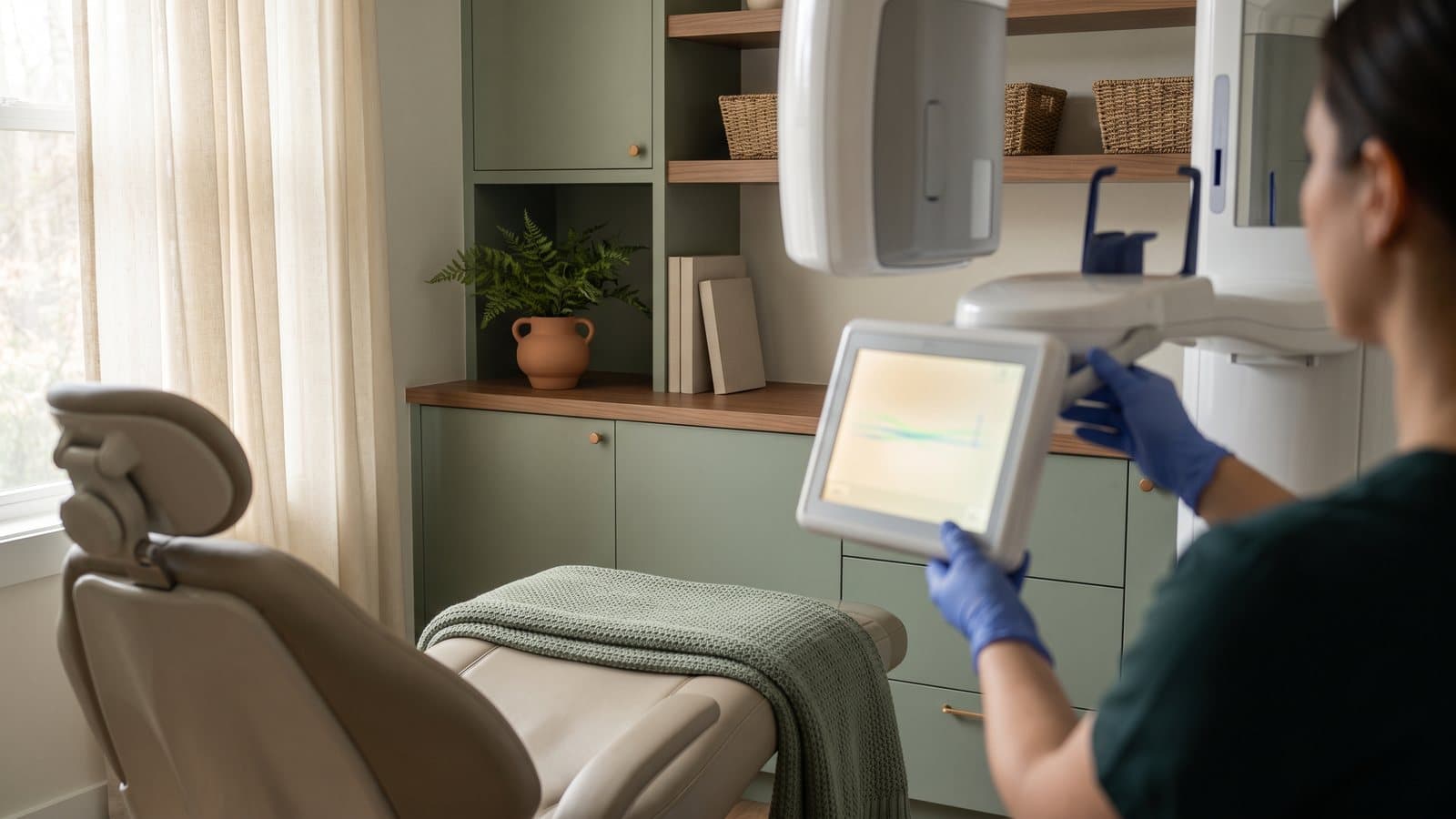
Evaluation & Treatment
Is a CBCT Scan Safe? Radiation and Airway Imaging Explained
See how much radiation a CBCT scan uses, how the ALARA principle keeps every scan low, and what Dr. Culotta looks for during your airway evaluation.
Read more7 min read
Free Sleep Apnea Quiz
Do You Have Sleep Apnea? Find Out Now
Snoring, fatigue, and restless nights could be signs of sleep apnea, a condition that affects your health more than you might realize. Take our quick, easy Sleep Apnea Quiz to uncover potential risk factors and determine if it’s time to seek expert care. In just a few minutes, you’ll gain valuable insights into your sleep health and take the first step toward better breathing, restful nights, and a healthier life. Don’t wait. Your journey to better sleep starts here!