Evaluation & Treatment
Oral Appliance Side Effects: What's Normal and What's Not
Published 7 min read

The Jaw Ache Nobody Mentioned at Your Fitting
You wake up, reach for the appliance case on the nightstand, and notice your jaw feels tight before your eyes are fully open. By the time you are brushing your teeth, you are wondering whether this is just how oral appliance therapy feels, or whether something is off.
Oral appliance side effects are common in the first weeks of treatment, and most of them are a normal part of your jaw and teeth adjusting to a new position every night. A smaller set of symptoms are less common and worth a call to your dentist rather than a wait and see approach.
This guide from Austin Sleep & Airway Health walks through what counts as a typical adjustment, what is worth a phone call, what to track in the early weeks, and how Dr. Culotta and her team keep an eye on your fit over time.
Oral Appliance Side Effects That Are Normal at First
Most of what people notice in the first two to four weeks is annoying, not alarming. Your jaw, teeth, and salivary glands are all reacting to something new happening every night, and for most people, that reaction eases as the mouth adapts.
Morning jaw soreness and stiffness
A dull ache or stiffness in your jaw when you first wake up is one of the most common oral appliance side effects, since your muscles are holding a slightly forward position for hours at a stretch. Gentle jaw stretches, a warm washcloth on the area, and a little time after you take the appliance out often help it fade before breakfast.
Extra saliva or a dry mouth
Some people notice more saliva than usual, even a damp spot on the pillow, while others wake up with a dry mouth instead. Either reaction is a known response to a new appliance, and for most people it settles within the first few weeks.
Tender teeth or a bite that feels different in the morning
Your back teeth may feel tender, or your bite may feel slightly off for a few minutes after you remove the appliance, since your jaw has been held forward all night and needs a moment to settle back. This brief, morning only change is common and usually resolves once you are up and moving.
Oral Appliance Side Effects That Are Not Normal
A smaller group of symptoms fall outside a typical adjustment, and they are worth mentioning to your dentist rather than waiting out on your own.
Sharp, one-sided, or worsening jaw pain
Pain that is sharp rather than achy, on one side, or getting worse over a few weeks is different from ordinary morning stiffness. New clicking, popping, or a jaw that catches when you open wide is also worth describing at your next visit, or sooner if uncomfortable.
A bite that will not settle back
If your teeth do not feel like they meet the way they used to, even later in the day well after the appliance is out, that is different from the brief morning adjustment above. Research on long term oral appliance use has found that lasting bite changes are one reason some patients consider stopping treatment, which is why regular dental check ins matter.
Appliance damage or a fit that has changed
A cracked appliance, a loose piece, or a fit that suddenly feels tighter or looser than a month ago is not something to adjust around on your own. Appliances are built to be adjusted by the dentist who fitted them, not reshaped or forced.
Why These Oral Appliance Side Effects Happen
An oral appliance works by holding your lower jaw slightly forward, which can help keep the airway open while you sleep. That forward position is new for your jaw joints, chewing muscles, and teeth, so some reaction in the early weeks is expected rather than a sign something has gone wrong.
Dentists who provide oral appliance therapy typically start conservatively and adjust gradually, a process called titration, rather than moving the jaw to its final position on night one. Joint guidance from the American Academy of Sleep Medicine and the American Academy of Dental Sleep Medicine calls for a qualified dentist to oversee this process and watch for dental side effects or bite changes, which is part of why follow-up visits are built into how oral appliance therapy works.
What to Track During Your First Weeks
A little tracking gives your dentist something specific to respond to instead of a general sense that something feels off. Over your first two to four weeks, jot down when jaw soreness happens and how long it lasts, whether your bite feels different and for how long, any drooling or dry mouth and whether it is easing week to week, and anything new, like a click or a spot that rubs.
Bring this log to your fitting and follow-up visits. Our patient resources page has more on preparing for an appointment, and specific details make it easier for your dentist to tell whether an adjustment is needed.
When It Is Worth an Evaluation
Most oral appliance side effects settle within the first month, and mild morning soreness alone is usually not a reason to stop wearing your appliance. It is worth scheduling a visit if soreness has not eased after several weeks, if pain is sharp or one sided, if your bite feels different well into the day, or if the appliance feels loose, cracked, or different from when it was fitted.
It is also worth a check in if you simply are not sure your appliance is doing its job. A follow-up sleep test coordinated with your physician is the only way to confirm how well an oral appliance is controlling sleep apnea, separate from how it feels in your mouth.
How Austin Sleep & Airway Health Helps With Oral Appliance Side Effects
Every oral appliance we fit starts with an airway focused exam and, when appropriate, in-house 3D CBCT airway imaging of your jaw position, airway shape, and bite. That starting picture gives Dr. Culotta a baseline to compare against if side effects come up later.
From there, fitting is gradual by design: custom impressions or scans, a fitting appointment, titration adjustments over several visits, and scheduled follow-ups where we ask about jaw comfort, bite changes, and how the appliance feels compared to your last visit. If something needs adjusting, we can often make a small change then rather than starting over.
We also coordinate with your sleep physician on the follow-up sleep test that confirms how the appliance is performing, so side effects and effectiveness get looked at together. As Dr. Culotta puts it, "It's never too late to breathe, sleep, and feel better." Working through a rough adjustment period is different from giving up on treatment that could still be helping.
Frequently Asked Questions
How long does jaw soreness from an oral appliance last?
Morning jaw soreness typically eases within the first two to four weeks as your muscles and joints adjust to the new position. Gentle stretching and a warm compress after you remove the appliance often help it fade faster.
Is it normal to drool or have a dry mouth with an oral appliance?
Yes, a change in saliva, either more or less than usual, is a common reaction to a new oral appliance and usually settles within the first few weeks. If dryness or drooling has not improved after about a month, mention it at your next follow-up visit.
Will an oral appliance move my teeth or change my bite permanently?
Most people notice only brief, morning only bite changes that resolve on their own, but long term use can occasionally lead to more lasting shifts in some patients. Regular follow-ups catch these changes early.
How do I know if my jaw pain is normal or something to worry about?
Dull, morning only soreness that fades within an hour or so is typical, while sharp, one sided, or worsening pain is not. New clicking, popping, or trouble opening your mouth comfortably is worth describing to your dentist rather than waiting out.
How long does it take to get used to wearing an oral appliance?
Many people need a few weeks to feel comfortable, since dentists typically introduce the appliance gradually and adjust it in stages instead of fitting it to its final position right away. Wearing it during quiet time before bed the first few nights can help you adjust.
Can I stop wearing my oral appliance if my jaw hurts?
Talk with your dentist before stopping, since mild soreness is usually manageable and often resolves with a small adjustment rather than requiring you to give up treatment. If pain is significant or does not ease, your dentist can adjust the fit or the level of advancement instead.
Where can I get help with oral appliance side effects in Austin?
Austin Sleep & Airway Health monitors oral appliance side effects at every fitting and follow-up visit at 1701 Simond Ave, Suite 107A, in Austin's Mueller area. Call (512) 900-9715 or email hello@austinsleephealth.com. We are open Monday, Tuesday, Thursday, and Friday, 8:00 AM to 3:00 PM.
Talk to Us About Your Fit
If an oral appliance side effect has you wondering whether something needs adjusting, you do not have to guess or push through it alone. Schedule a sleep appliance consultation and bring your log so Dr. Culotta can look at your fit, your bite, and your airway together.
By Austin Sleep & Airway Health
This article is for general education. It is not a diagnosis and does not replace an evaluation with a qualified provider.
A comfortable option worth exploring
Learn how a custom oral appliance gently supports an open airway during sleep, and how we work alongside your sleep physician.
Keep Reading
Related articles

Evaluation & Treatment
Sleep Study Results Explained: AHI, Oxygen, and Next Steps
Your sleep study results are in. Here is what AHI, RDI, ODI, and your oxygen numbers actually mean, and what to ask your physician about next steps.
Read more7 min read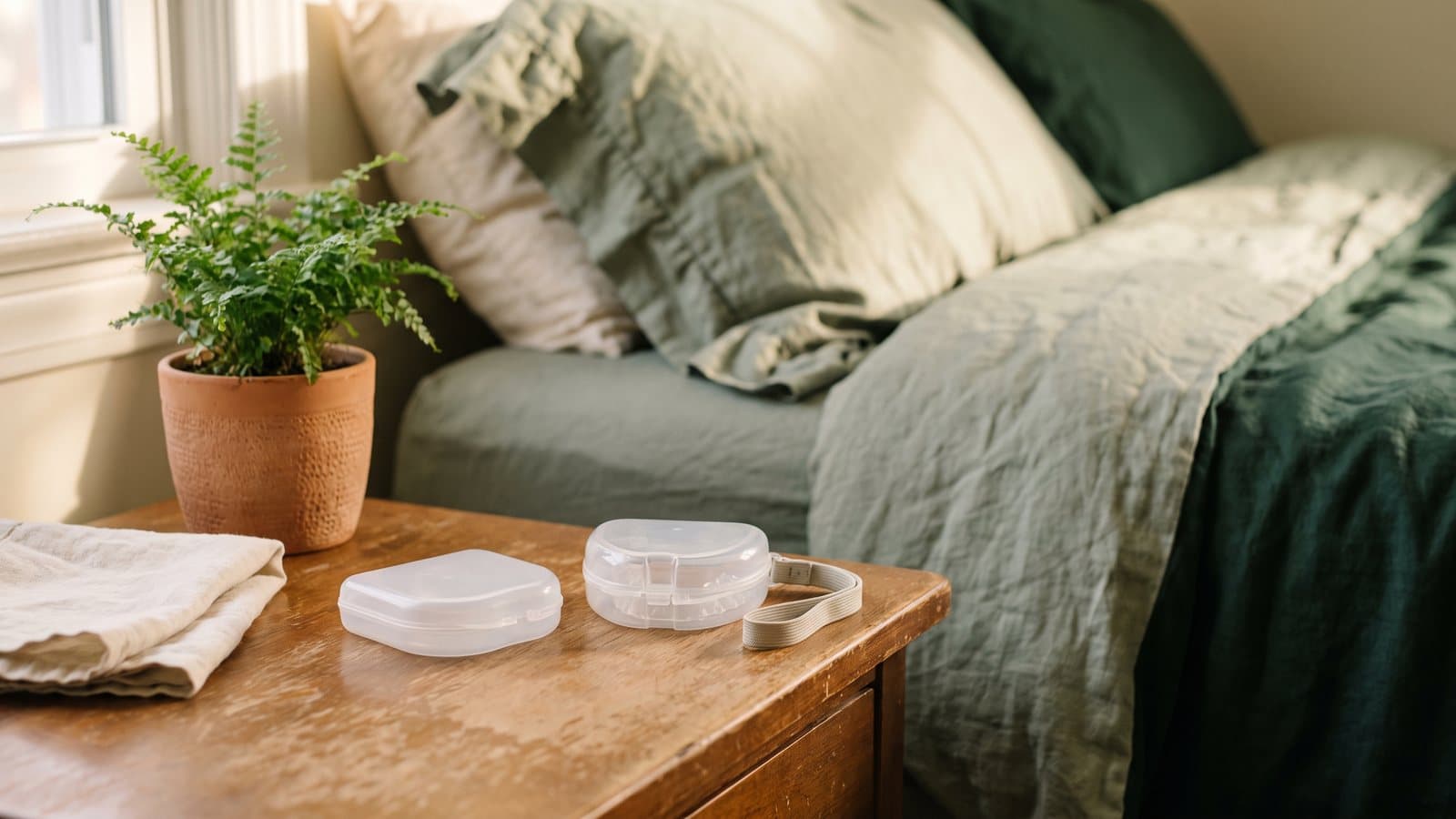
Evaluation & Treatment
Night Guard vs. Sleep Apnea Appliance: What's the Difference?
See how a standard night guard differs from a sleep apnea appliance, what the research really says, and when an evaluation helps you choose right.
Read more7 min read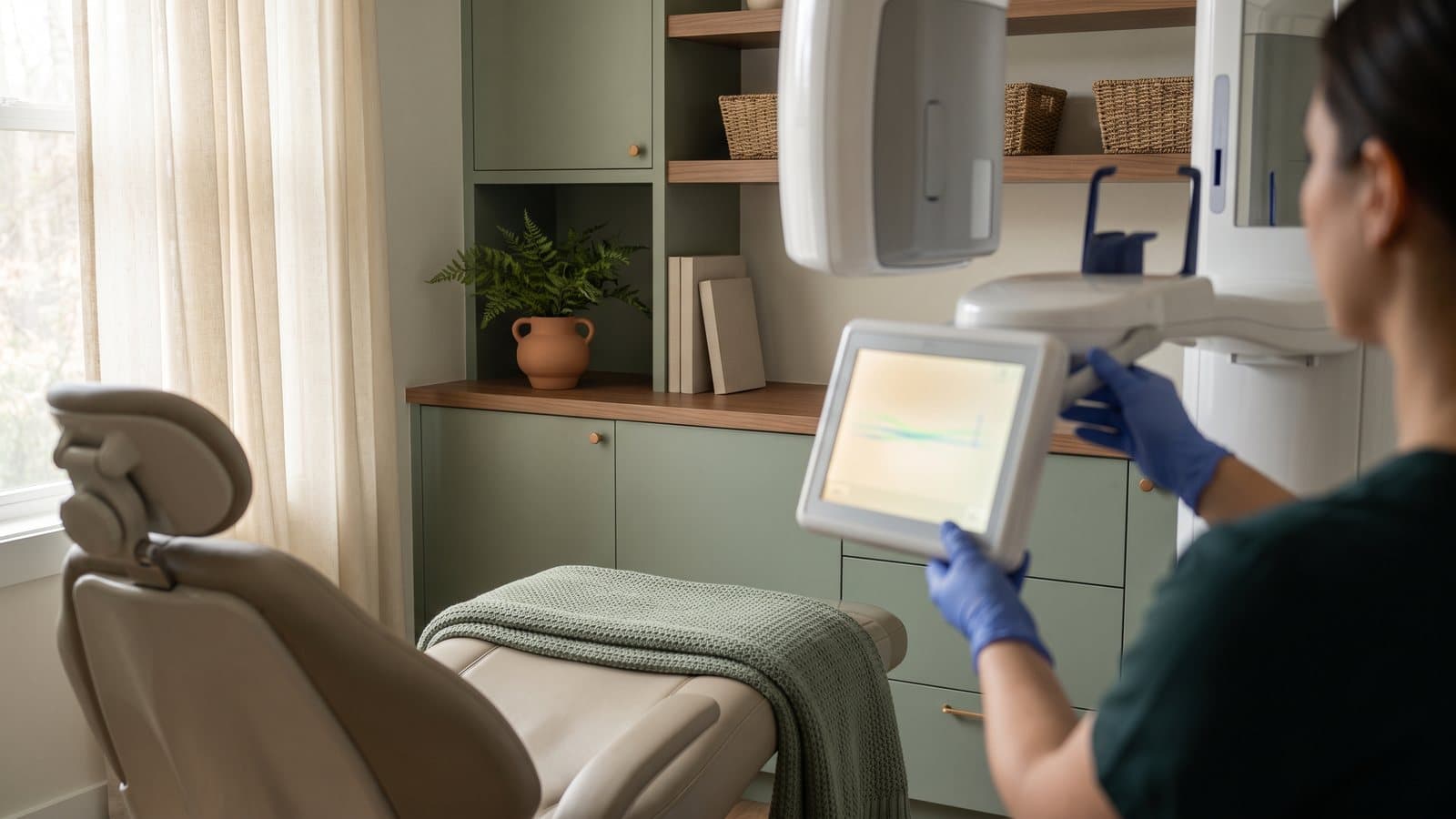
Evaluation & Treatment
Is a CBCT Scan Safe? Radiation and Airway Imaging Explained
See how much radiation a CBCT scan uses, how the ALARA principle keeps every scan low, and what Dr. Culotta looks for during your airway evaluation.
Read more7 min read
Free Sleep Apnea Quiz
Do You Have Sleep Apnea? Find Out Now
Snoring, fatigue, and restless nights could be signs of sleep apnea, a condition that affects your health more than you might realize. Take our quick, easy Sleep Apnea Quiz to uncover potential risk factors and determine if it’s time to seek expert care. In just a few minutes, you’ll gain valuable insights into your sleep health and take the first step toward better breathing, restful nights, and a healthier life. Don’t wait. Your journey to better sleep starts here!