Evaluation & Treatment
Struggling With CPAP? What to Try and Who to Ask
Published 7 min read
The Mask Comes Off Again at 2 A.M.
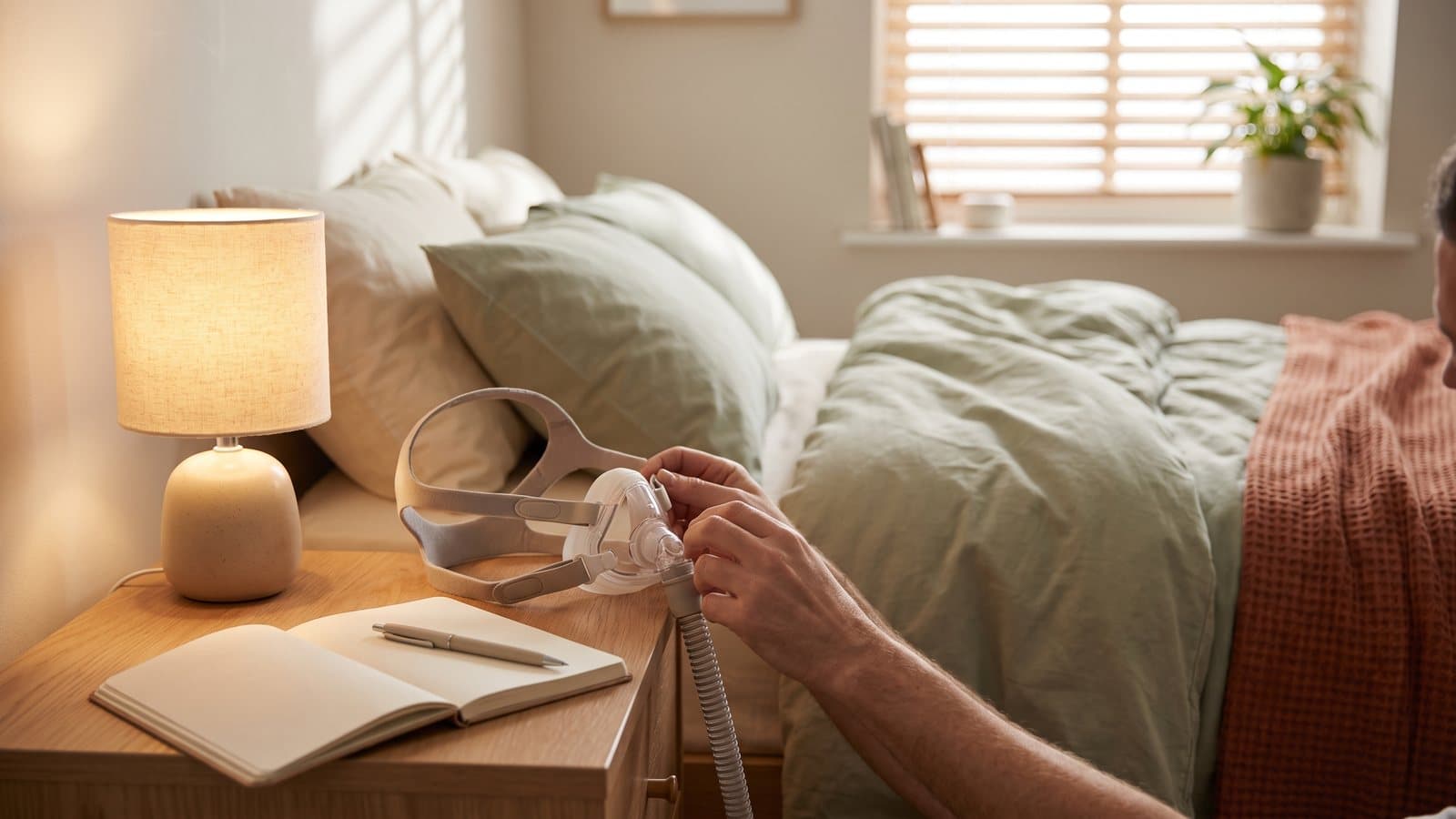
You wake up with the mask crooked, a thin stream of air hissing into your eye, and the hose tugging at your pillow. You peel it off, set it on the nightstand, and tell yourself you will try again tomorrow. This is the fourth night this week.
If you are struggling with CPAP months or even years after you started it, you are far from alone, and it does not mean the treatment failed or that you are doing something wrong. Most of the trouble people run into traces back to a few fixable things: mask fit, pressure, and humidity.
At Austin Sleep & Airway Health, we work alongside your sleep physician and your CPAP equipment provider rather than instead of them. This post covers what to try first, who to call for each kind of problem, what to track before your next follow up, and when it might be worth asking your physician about other options, with the holidays coming up fast.
What to Try First When You're Struggling With CPAP
Most CPAP problems trace back to three adjustable pieces of the setup: the mask, the pressure, and the humidity. None require giving up on treatment, and your care team expects to fine tune all three over the first weeks and months.
Check your mask fit and type
A mask that is too tight leaves marks and headaches. One that is too loose leaks air into your eyes or across the sheets. Masks come in several styles, nasal pillows, nasal masks, and full face masks, and the right one depends on your face shape and whether you breathe through your nose or mouth. If your first mask has never felt right, a different style is often the fix.
Ask about your pressure settings
If the air feels too forceful to fall asleep against, ask your physician or sleep lab about a ramp feature that starts low, or about pressure relief settings that ease the exhale. These adjustments belong to your care team.
Add or adjust humidity
Dry mouth, a stuffy nose, or a scratchy throat in the morning often point to humidity that needs adjusting, not the mask. A heated humidifier or heated hose can make a noticeable difference, and the setting can be raised or lowered until it feels right.
Why CPAP Takes Time to Feel Normal
Needing real time to adjust is normal, not a red flag. The National Heart, Lung, and Blood Institute notes that getting used to CPAP takes time and patience, and that your care team can help you find a comfortable mask and fine tune your settings.
Give any single change two to three weeks before deciding it is not working. Practicing with the mask during the day, while you read or watch television, can help your body get used to it before you rely on it overnight. If discomfort still gets in the way, that is a sign to ask for another adjustment, not to stop.
Who to Call: Your Sleep Physician or Your Equipment Provider
CPAP troubleshooting usually involves two people, and knowing which one to call saves a round of phone tag.
Your sleep physician or sleep lab
Call your sleep physician or sleep lab about your prescription: pressure settings, the ramp feature, or whether therapy is controlling your sleep apnea. They can also review your machine's data.
Your CPAP equipment provider
Call your durable medical equipment provider, the company that supplied your machine, for a different mask style, replacement cushions and filters, tubing, or a humidifier chamber. Many offer a mask fitting appointment, by phone or video, to solve leaks.
If you are not sure which one to call, either office can usually point you to the other. Neither should leave you troubleshooting alone.
What to Track Before Your Next Follow Up
A few notes over one to two weeks give your physician or equipment provider something concrete to work with. You can find more visit preparation tips in our patient resources.
Jot down:
- Which nights you used CPAP, and for how many hours.
- Where the mask leaked or felt uncomfortable, and when.
- How your pressure felt: too strong, too weak, or hard to fall asleep against.
- Morning dry mouth, a stuffy nose, or a scratchy throat.
- How rested you felt on waking, on a simple 1 to 5 scale.
Bring these notes to your next visit, whether that is with your sleep physician or your equipment provider. Specific details point to specific fixes.
When It's Worth Asking About Other Options
Most CPAP struggles ease with the adjustments above, given time. It is worth raising something different if you have tried a new mask, adjusted pressure, and added humidity over several weeks and still avoid the machine most nights. If it has been a while since your original home sleep test or in-lab sleep study, your physician may want to revisit that too.
A joint guideline from the American Academy of Sleep Medicine and the American Academy of Dental Sleep Medicine notes that physicians may consider an oral appliance for adults intolerant of CPAP or who prefer an alternate treatment. That conversation starts with your physician. An oral appliance is not a better treatment than CPAP. It is one option some people discuss with their physician when CPAP has not fit well, and a qualified dentist then works with your physician.
How Austin Sleep & Airway Health Helps When CPAP Feels Stuck
When CPAP struggles have gone on for a while, we start where we always do: a close look at your airway. Our in-house 3D CBCT airway imaging takes about 45 seconds and uses a low dose, and Dr. Culotta reviews airway shape and volume along with the tonsils, adenoids, nasal passages, and jaw position. It is an awake, upright snapshot, not a sleep study, so it does not diagnose sleep apnea.
The airway focused exam adds tongue mobility and resting posture, oral ties, palate width, bite, jaw joints, tonsil size, nose versus mouth breathing, and signs of clenching or grinding, plus a detailed sleep and health history. That picture, with your tracking notes and your physician's input, shapes what comes next, including whether a custom oral appliance is worth discussing alongside CPAP.
We coordinate with your sleep physician and, when needed, an ENT or the independent myofunctional therapists in our Myofunctional Collaborative Space. If a family member visiting for the holidays wonders about their own snoring, our adult sleep apnea screening is a calm starting point. As Dr. Culotta puts it, "Positive change is possible at any age. Awareness is the first step."
Frequently Asked Questions
Why can't I get used to my CPAP machine?
Most people need real adjustment time, and mask fit, pressure, and humidity are usually the cause when CPAP still feels hard after a few weeks. Try wearing the mask during the day while you read or watch television, so your body gets used to the sensation before you rely on it overnight.
How long does it take to adjust to CPAP?
Give any single adjustment, a new mask, a pressure change, or added humidity, about two to three weeks before deciding it isn't working. Many people notice steady improvement over that stretch, and your sleep physician can check your machine's data sooner if something feels off.
Why does my CPAP mask keep leaking?
A leaking mask usually means the size, style, or strap tension needs adjusting, not that something is wrong with you or the machine. Ask your equipment provider about a mask fitting appointment, since face shape and sleep position often call for a different style.
Why do I wake up with a dry mouth or stuffy nose on CPAP?
Dry mouth and nasal dryness are usually a humidity issue, not a reason to stop treatment, and a heated humidifier or heated hose often helps within a few nights. If dryness continues, ask about a full face mask if you tend to breathe through your mouth.
Should I call my sleep physician or my equipment provider about a CPAP problem?
It depends on the issue: call your sleep physician about your prescription or pressure settings, and call your equipment provider for a different mask, size, or supplies. If you are not sure which one applies, either office can point you to the other.
Is it okay to ask about an oral appliance if I still struggle with CPAP?
Yes, it is a reasonable question for your sleep physician once you have given mask, pressure, and humidity adjustments real time. An oral appliance is not a better treatment than CPAP, and a qualified dentist can work with you and your physician if that conversation moves forward.
Where can I get help with CPAP struggles in Austin?
Austin Sleep & Airway Health offers airway evaluations, including in-house 3D CBCT imaging, at 1701 Simond Ave, Suite 107A, in Austin's Mueller area. Call (512) 900-9715 or email hello@austinsleephealth.com. We coordinate with your sleep physician and equipment provider, and we are open Monday, Tuesday, Thursday, and Friday, 8:00 AM to 3:00 PM.
Talk With Us About Your Airway Before the Holidays
If CPAP has felt like a fight lately, you do not have to choose between sticking with it and giving up. Bring your notes to your sleep physician and equipment provider first, and if you would like an airway focused second look alongside that care, before travel and holiday nights disrupt your routine, you can schedule a sleep appliance consultation with Dr. Culotta.
By Austin Sleep & Airway Health
This article is for general education. It is not a diagnosis and does not replace an evaluation with a qualified provider.
A comfortable option worth exploring
Learn how a custom oral appliance gently supports an open airway during sleep, and how we work alongside your sleep physician.
Keep Reading
Related articles

Evaluation & Treatment
Sleep Study Results Explained: AHI, Oxygen, and Next Steps
Your sleep study results are in. Here is what AHI, RDI, ODI, and your oxygen numbers actually mean, and what to ask your physician about next steps.
Read more7 min read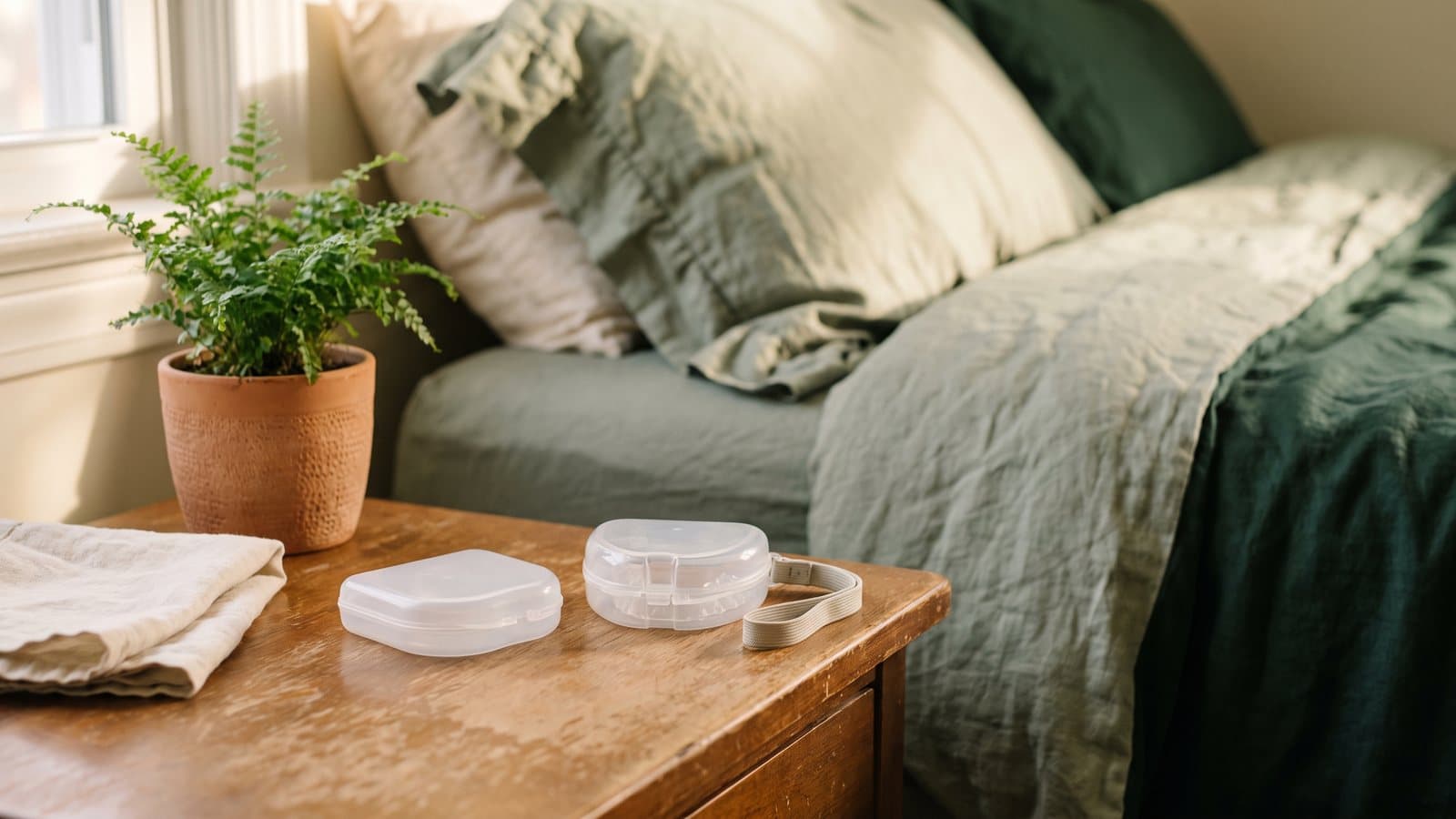
Evaluation & Treatment
Night Guard vs. Sleep Apnea Appliance: What's the Difference?
See how a standard night guard differs from a sleep apnea appliance, what the research really says, and when an evaluation helps you choose right.
Read more7 min read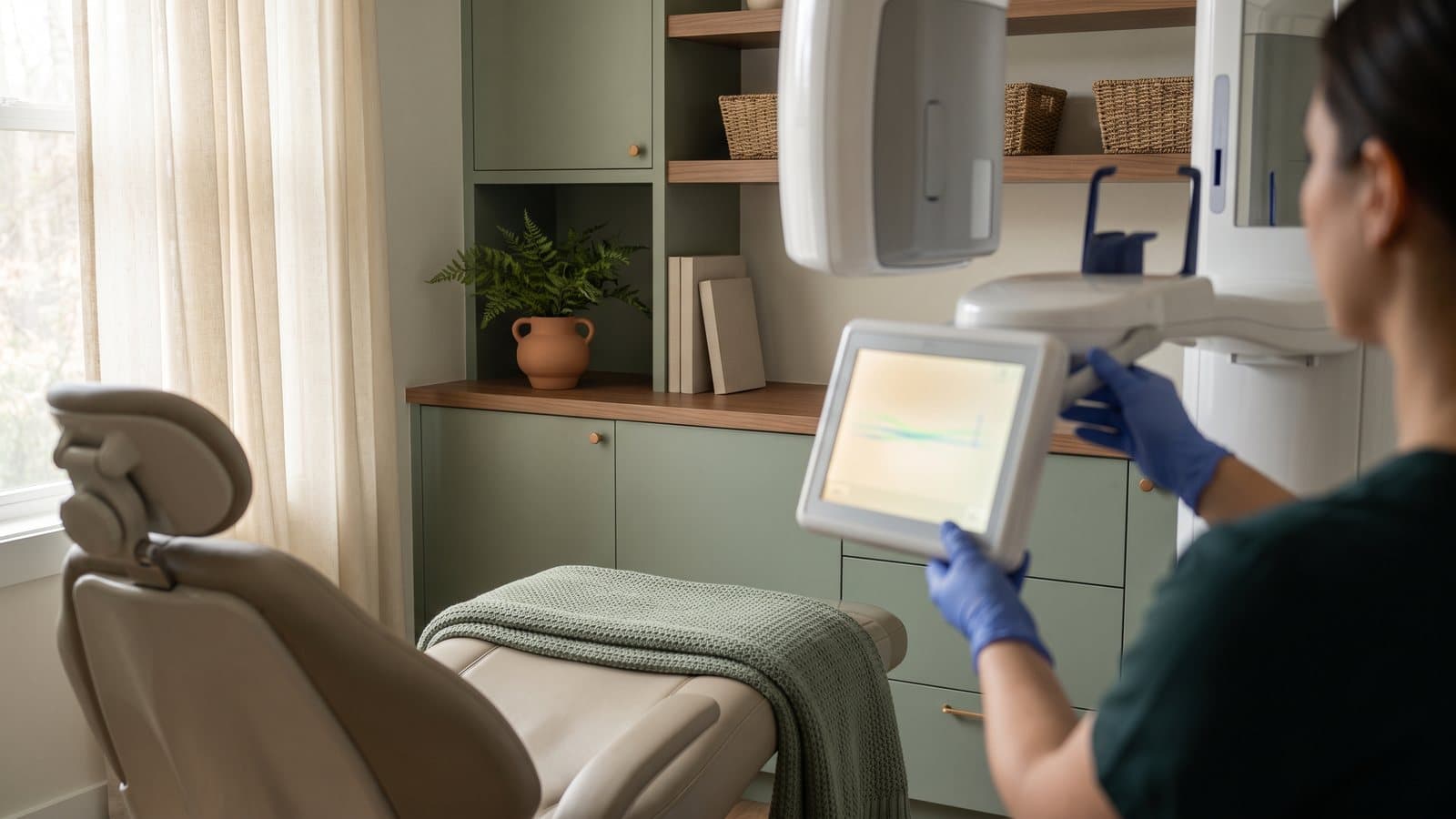
Evaluation & Treatment
Is a CBCT Scan Safe? Radiation and Airway Imaging Explained
See how much radiation a CBCT scan uses, how the ALARA principle keeps every scan low, and what Dr. Culotta looks for during your airway evaluation.
Read more7 min read
Free Sleep Apnea Quiz
Do You Have Sleep Apnea? Find Out Now
Snoring, fatigue, and restless nights could be signs of sleep apnea, a condition that affects your health more than you might realize. Take our quick, easy Sleep Apnea Quiz to uncover potential risk factors and determine if it’s time to seek expert care. In just a few minutes, you’ll gain valuable insights into your sleep health and take the first step toward better breathing, restful nights, and a healthier life. Don’t wait. Your journey to better sleep starts here!