Breathing & Airway
Sleep and Athletic Recovery: Why Night Breathing Matters
Published 6 min read
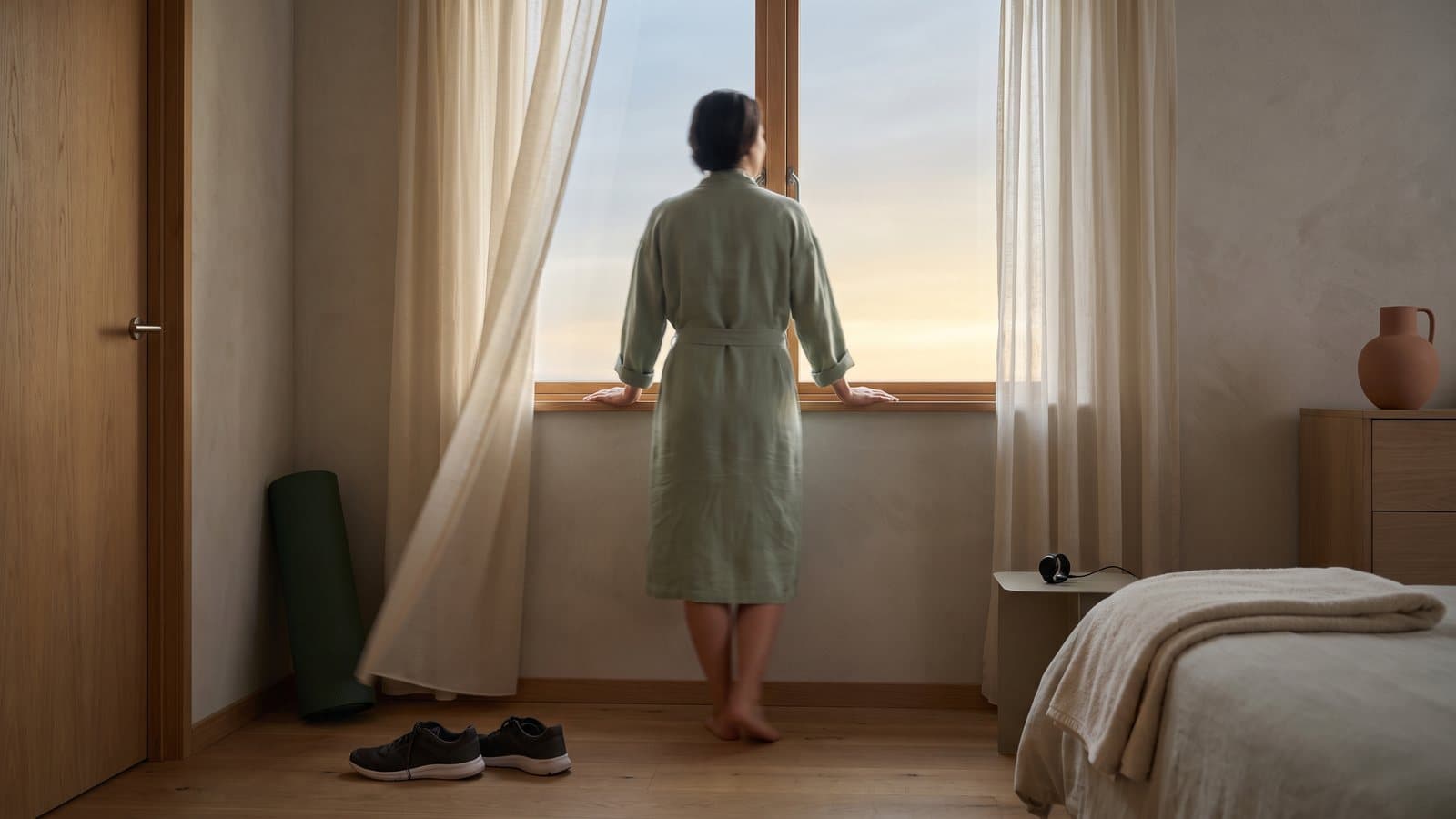
Your Legs Are Ready. Is Your Sleep?
You set your alarm for the early group run, laid out your shoes, and went to bed with good intentions. Eight hours later you're up, but your legs feel heavier than yesterday's splits should explain, and your head stays foggy well past the coffee.
If you're building toward the Austin Marathon or just recommitted to training this January, you already know that miles alone don't make you faster. Sleep and athletic recovery go together, and the way you breathe while you sleep may matter as much as the miles you log.
At Austin Sleep & Airway Health, we look at what happens to your airway overnight, not just how you train during the day. This post explains why night breathing affects recovery, what to track during a training block, and when it's worth a closer look.
Why Sleep and Athletic Recovery Are So Closely Linked
Training breaks muscle down. Recovery is when it rebuilds, and much of that rebuilding depends on what happens overnight, not only on what you do at the gym or on the road. The National Heart, Lung, and Blood Institute notes that sleep supports the body's physical systems, including hormone patterns tied to tissue repair and the immune activity that helps keep you healthy through a training block.
A large share of that repair work happens during deep, slow-wave sleep. Research on growth hormone release has long shown that a large portion of the body's nightly hormone pulses cluster during this deep sleep stage. A 2022 review in the Journal of Personalized Medicine found that extending total sleep time supported better aerobic performance and metabolism in athletes, and that naps helped performance in sports from basketball to rugby.
None of this means overhauling your life. It's a reason to treat consistent, quality sleep as part of training, alongside your long run and your easy days. It also raises a question active adults rarely ask: what if something is disrupting your sleep before you even notice it?
When Night Breathing Gets in the Way of Recovery
Snoring You Might Not Hear Yourself
Many active adults assume snoring is background noise, or something only less fit people deal with. Snoring happens when airway tissue vibrates as air squeezes through a narrowed space, and that can happen regardless of your training log. If a partner, roommate, or a hotel roommate on a race weekend has mentioned it, that's worth noting rather than shrugging off.
Mouth Breathing and a Dry, Tired Morning
Waking with a dry mouth, a mildly sore throat, or a jaw that feels tight can point to mouth breathing overnight. When the nose is congested, whether from training-season allergies or simply how your airway is built, the jaw can drop and the mouth take over. That tends to mean lighter, more fragmented sleep, even when you stayed in bed for a full eight hours.
As we've covered before, being lean and fit doesn't rule out an airway issue. A 2026 review in the journal Life found sleep apnea symptoms even among swimmers, a group with a typically lower body mass index, which lines up with what our post on sleep apnea in thin, fit people explains about jaw size, tongue position, and nasal airflow.
What to Track Before Your Next Long Run
You already log pace, mileage, and heart rate. A few notes about your nights can be just as useful at a visit:
- Whether a partner has noticed snoring, pauses, or gasping, and whether it's worse after hard training days or an evening drink.
- How you wake: a dry mouth, a mildly sore throat, a tired jaw, or a headache.
- Your resting heart rate or overnight variability trend, if your watch tracks it, compared with your training load.
- Whether your nose feels blocked at night, and if that changes with the season.
- How refreshed you feel on easy days versus days after a rough night, regardless of the workout.
If you're still tired despite what looks like enough sleep, our post on feeling tired after eight hours of sleep covers other common causes worth ruling in or out.
When Slow Recovery Is Worth an Airway Evaluation
It's worth a look if snoring is frequent, if someone has noticed pauses or gasping, or if you wake unrefreshed on a regular basis despite consistent sleep and sensible training. The same goes for recovery that consistently lags behind your training load, recurring morning headaches, or a dry mouth that shows up most days.
None of this means your training is the problem, and none of it is a diagnosis. Only a physician can diagnose sleep apnea, through a home sleep test or an in-lab study. Our comparison of home sleep tests and in-lab studies explains how that process works if your doctor recommends one.
How Austin Sleep & Airway Health Helps With Sleep and Athletic Recovery
Dr. Culotta looks at the structures that can turn a technically adequate night into a fragmented one. Our in-house 3D CBCT airway imaging takes about 45 seconds and shows airway shape, volume, and structures such as the nasal passages, tonsils, adenoids, and jaw position. It's an awake, upright snapshot, not a sleep study, and it doesn't diagnose sleep apnea.
The airway-focused exam adds tongue mobility and resting posture, palate width, bite, jaw joints, tonsil size, and whether you breathe through your nose or your mouth at rest, plus a detailed sleep and health history. From there, we connect the dots. If a physician confirms sleep apnea, a custom oral appliance is one option alongside CPAP, and we coordinate with sleep physicians and ENTs when training-season congestion or airway structure is part of the picture.
Frequently Asked Questions
Does poor sleep affect athletic performance?
Yes, sleep loss can reduce endurance, reaction time, and accuracy, and can make effort feel harder even when your fitness hasn't changed. A 2022 review in the Journal of Personalized Medicine linked sleep restriction to reduced time to exhaustion and slower reaction time, while sleep extension supported better aerobic performance.
Can lack of sleep increase injury risk?
Yes, several reviews link inadequate sleep to slower reaction time and reduced alertness, both of which can raise injury risk during training. A 2026 review in the journal Life on obstructive sleep apnea in athletes noted that disrupted sleep was linked with slower reaction times and reduced alertness in athletic populations.
Why do I still feel tired after 8 hours of sleep during training?
Time in bed doesn't always mean restorative sleep, since fragmented or lighter sleep, from snoring, congestion, or mouth breathing, can leave you tired despite a full eight hours. Training load itself can also lower sleep quality, and our post on feeling tired after eight hours of sleep covers other common causes.
Can athletes have sleep apnea if they aren't overweight?
Yes, jaw size, tongue position, and nasal airflow matter as much as body weight, so lean, trained athletes can still have obstructive sleep apnea. Our post on sleep apnea in thin, fit people goes into more detail on the anatomy involved.
Does snoring affect muscle recovery?
Snoring itself isn't harmful, but the airway narrowing that causes it can fragment sleep and interrupt the deep sleep stages tied to tissue repair. Research on growth hormone release shows much of it clusters during deep, slow-wave sleep, so sleep that's consistently disrupted may mean less of that recovery window.
Can nasal breathing improve sleep quality for runners?
Breathing through the nose at night tends to support steadier airflow and a more stable airway than breathing through an open mouth. If your nose feels blocked most nights, especially during allergy season, that's worth mentioning at a visit rather than something to push through on your own.
Where can I get a sleep and airway evaluation in Austin?
Austin Sleep & Airway Health offers airway evaluations, including in-house 3D CBCT imaging, at 1701 Simond Ave, Suite 107A, in Austin's Mueller area. Call (512) 900-9715 or email hello@austinsleephealth.com; we're open Monday, Tuesday, Thursday, and Friday, 8:00 AM to 3:00 PM.
See Whether Your Airway Is Part of the Recovery Picture
If you're training hard this season and still waking up short on recovery, a closer look at how you breathe overnight can help explain why. As Dr. Culotta puts it, "It's never too late to breathe, sleep, and feel better." Take our educational adult sleep and airway screening to organize what you're noticing, then bring it with you to a visit.
By Austin Sleep & Airway Health
This article is for general education. It is not a diagnosis and does not replace an evaluation with a qualified provider.
Wondering whether a sleep evaluation is right for you?
Take our quick, educational adult sleep screening to better understand your risk factors and what to bring to a visit.
Keep Reading
Related articles

Breathing & Airway
Waking Up With a Dry Mouth: What It Can Tell You
Waking up with dry mouth most mornings can point to allergies, mouth breathing, or snoring, and spring pollen often makes it easier to notice.
Read more7 min read
Breathing & Airway
Deviated Septum and Sleep Apnea: When Your Nose Affects Breathing
A deviated septum and sleep apnea are often connected, especially during cedar season. Here is how to tell a structural issue from seasonal congestion.
Read more7 min read
Breathing & Airway
Cedar Fever and Snoring: Keeping Your Nose Clear in Austin
Cedar fever floods Austin with pollen each winter, and the congestion it brings can make snoring worse. Here is what to track and when to get it checked.
Read more7 min read